Our Aims & Means
Our Aims & Means

At Jubilee House, our mission is rooted in a vision of collective liberation—one where people are not isolated by systems of oppression, exploitation, or alienation. Our Aims and Means are the guiding principles that shape everything we do, from grassroots organizing to community-building, and from mutual aid to long-term structural transformation.
The Aims articulate our overarching goals, what we are striving toward in our community and beyond. These are the principles that ground our work in the values of justice, dignity, and solidarity. The Means describe the practices, strategies, and actions we use to achieve those aims. They are how we bring our vision to life, ensuring that our efforts are grounded in real, accessible, and impactful work.
Our Aims
To sow imagination and grow resistance in the rural South — We work to cultivate beloved community rooted in solidarity, creativity, and shared struggle, especially among those most impacted by poverty, addiction, isolation, and environmental harm in Walker County, AL.
To practice hope through shared struggle — We commit to resisting systems of oppression, exploitation, and alienation by learning together, working together, and taking collective action rooted in solidarity and mutual aid. We understand hope not as wishful thinking, but as something grown through collective labor, trust, and persistence in the face of hardship.
To make it “easier for people to be good." — Inspired by the witness of the Catholic Worker tradition and other radical movements of solidarity and community care, we seek to remove the barriers that prevent people from feeding, sheltering, and caring for themselves and one another, free of judgment, stigma, or hierarchy.
To cultivate communal resilience — We focus on building relationships, skills, and practices, especially around food, land, and mutual care, that help our community endure and imagine and build a different future together.
To practice hope through shared struggle — We understand hope not as wishful thinking, but as something grown through collective labor, trust, and persistence.
Our Means
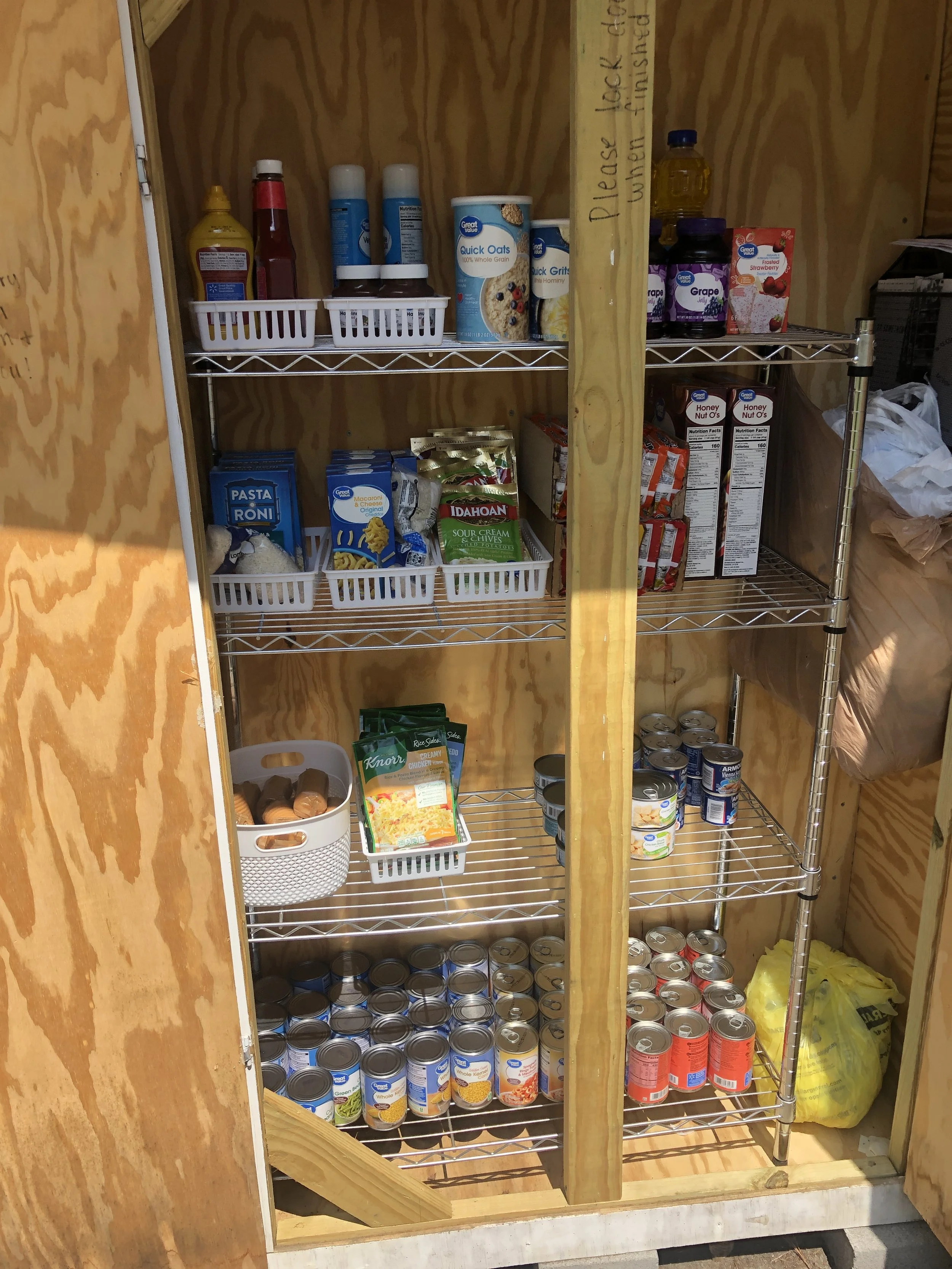
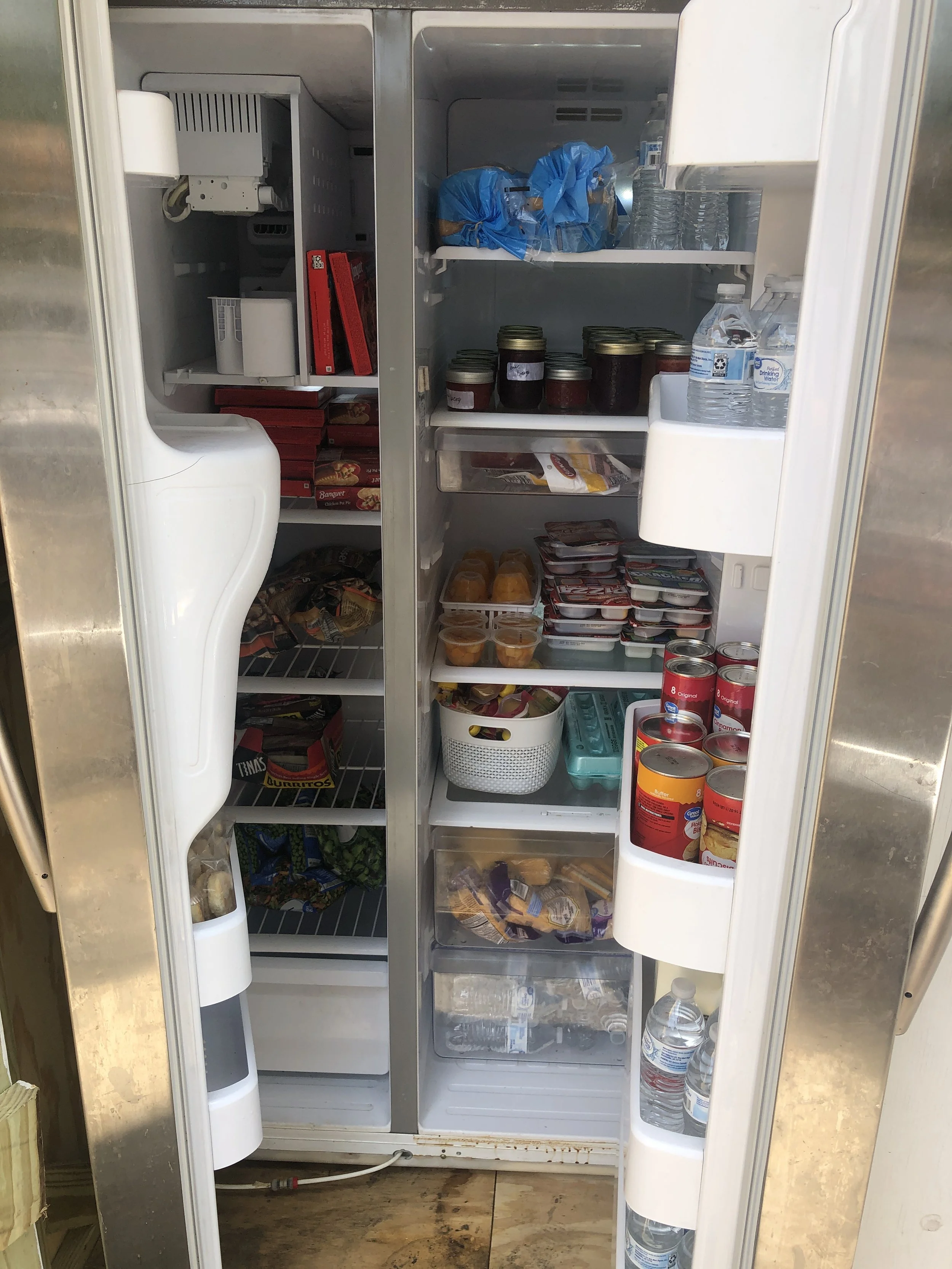
The Works of Mercy as Mutual Aid — We meet immediate needs while building collective capacity through shared food, goods, and resources shaped by the needs of those most affected.
Solidarity, NOT Charity — We practice economic solidarity through direct financial assistance, debt relief, and accompaniment, inspired by the call to Jubilee. We reject hierarchical charity models and instead walk alongside neighbors to understand and remove the barriers that keep people in poverty. Jubilee House is sustained by neighbors, volunteers, and supporters who share power, labor, and responsibility in growing a more just and livable world together.
Hospitality for All — We create welcoming spaces where people are received as neighbors and co-laborers, not clients or problems to be managed, and where everyone is invited to participate in shaping our common life.
Harm Reduction and Hope — We practice harm reduction as love in action, meeting people where they are and affirming survival as sacred. Through community-based access to naloxone, test strips, education, and presence, we resist stigma, criminalization, and interrupt flows of violence.
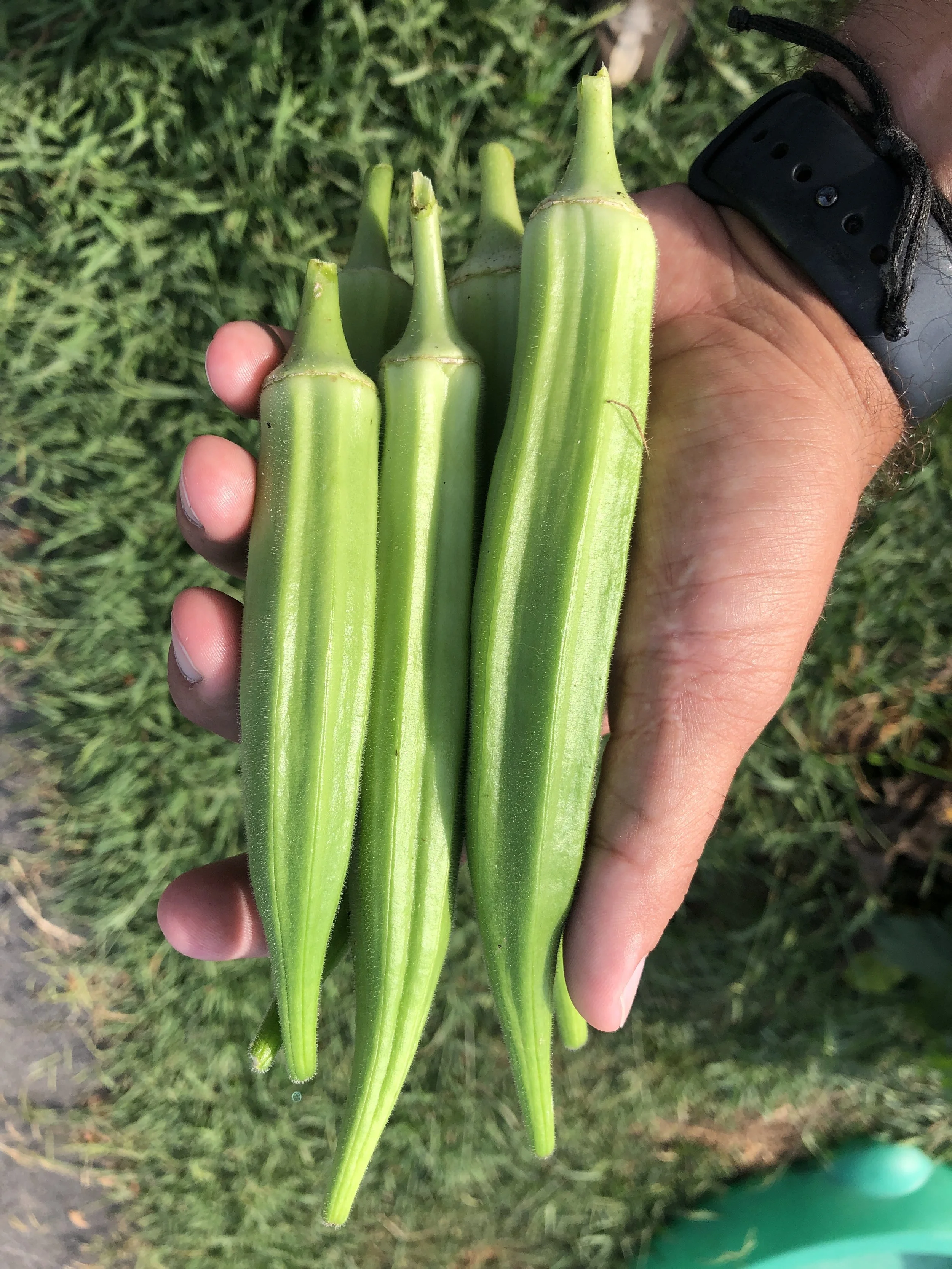
Resilient Food Systems — We tend gardens and farms as places of learning, shared labor, and resilience, where neighbors grow food together, care for the land, and cultivate skills and relationships that sustain communal life.
Prophetic Witness — We grow resistance through acts of imagination, refusal, and peaceful disruption, confronting systems that normalize suffering, abandonment, and dispossession.
Rootedness in Place — We remain planted in Parrish and Walker County, grounding our work in the land, watersheds, histories, and relationships of this bioregion. We understand that the health of our community and the health of the land are inseparable, and we seek not only to resist systems that exploit people and ecosystems, but to replace them with local, regenerative practices of food growing, mutual care, and shared stewardship. By tending soil, sharing harvests, and learning from this place, we cultivate forms of life that are accountable to our neighbors, our land, and future generations.
“Every attempt to evade the struggle against alienation and the violence of the powerful and for a more just and more human world is the greatest infidelity to God. To know God is to work for justice. There is no other path to reach God.”
― Gustavo Gutierrez